



Case Study: Indomitable Echoes PCD@Coimbra 2026
Case Study: Indomitable Echoes — Spatial Computing & Generative Algorithms
Creative Technology, Computer Vision & Cloud-to-Edge Architecture
“I didn’t just write a visualizer; I engineered a spatial computing ritual. Indomitable Echoes transforms 19th-century literature into a living, real-time algorithmic network. By merging Natural Language Processing, Computer Vision, and Cloud Architecture, I proved that code is the ultimate medium for evolving human heritage into interactive spatial experiences.”
The Cultural & Technological Impact
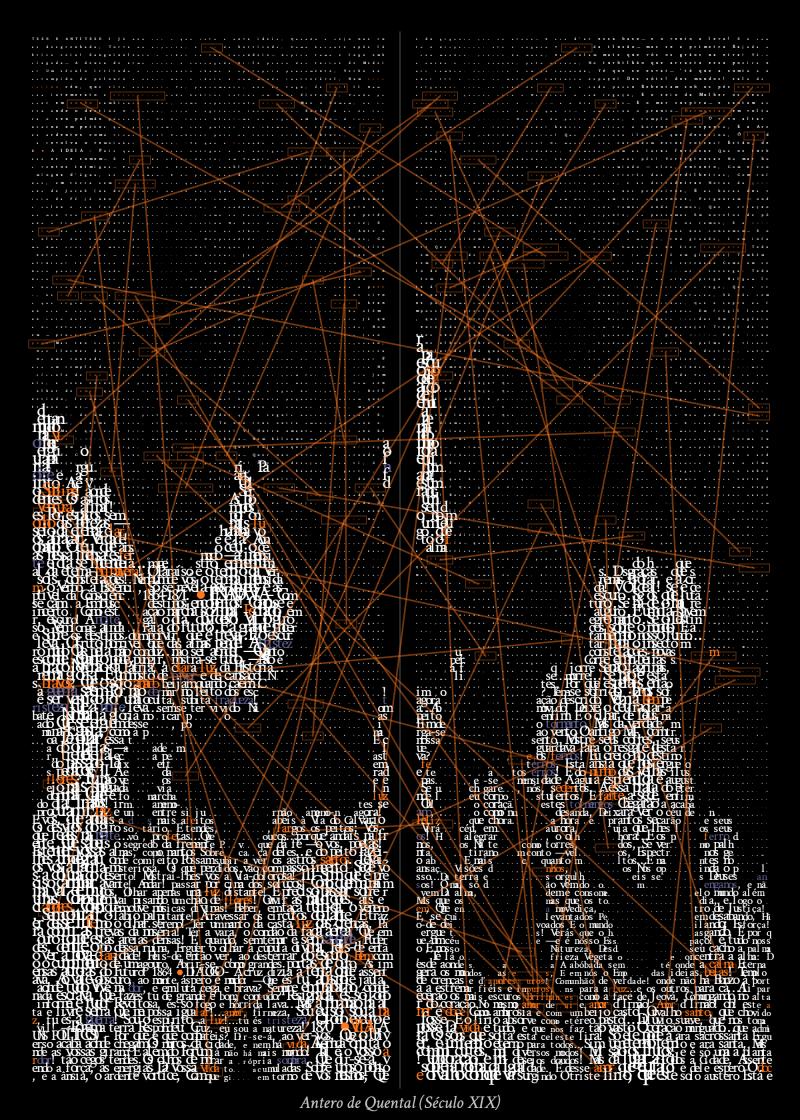
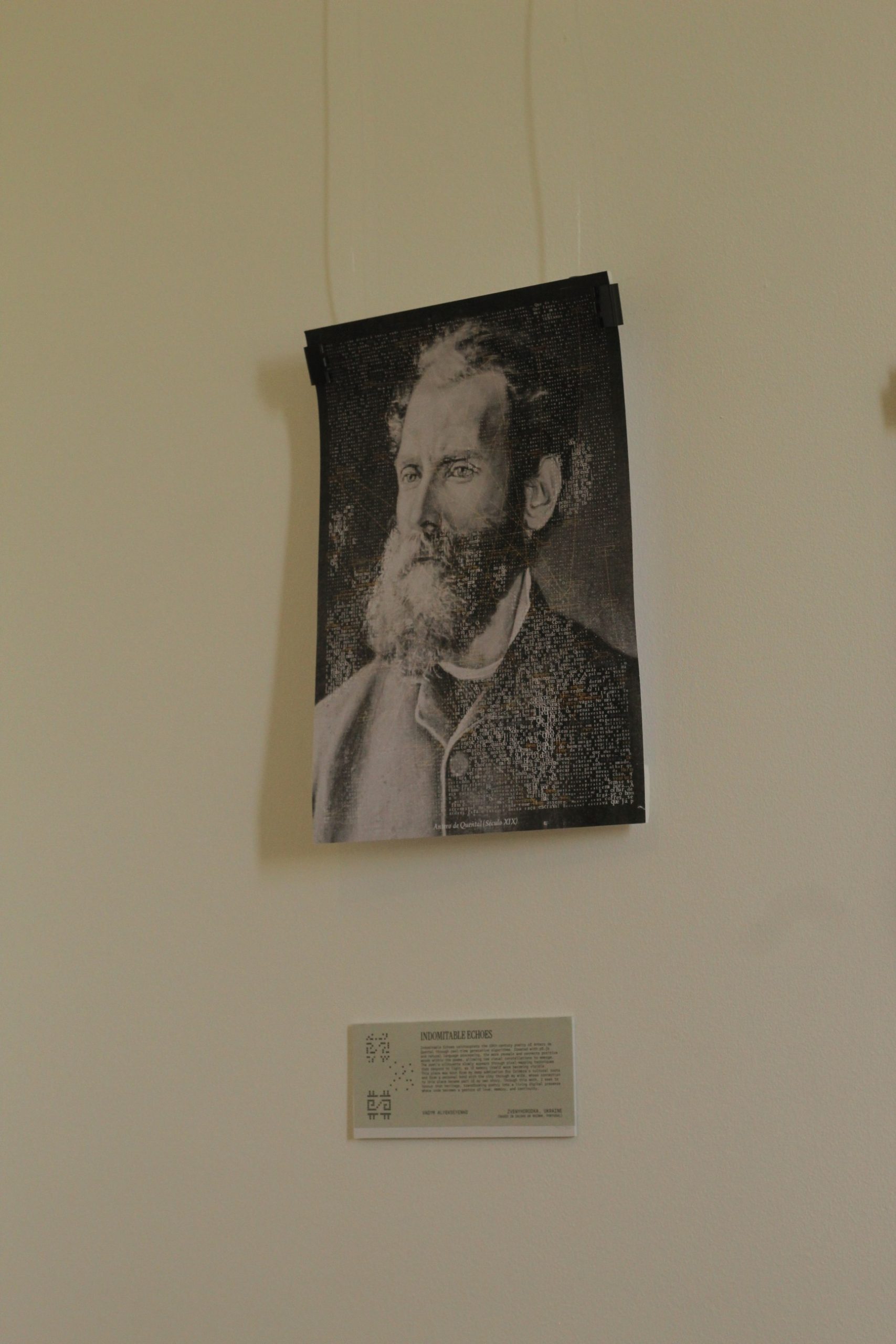
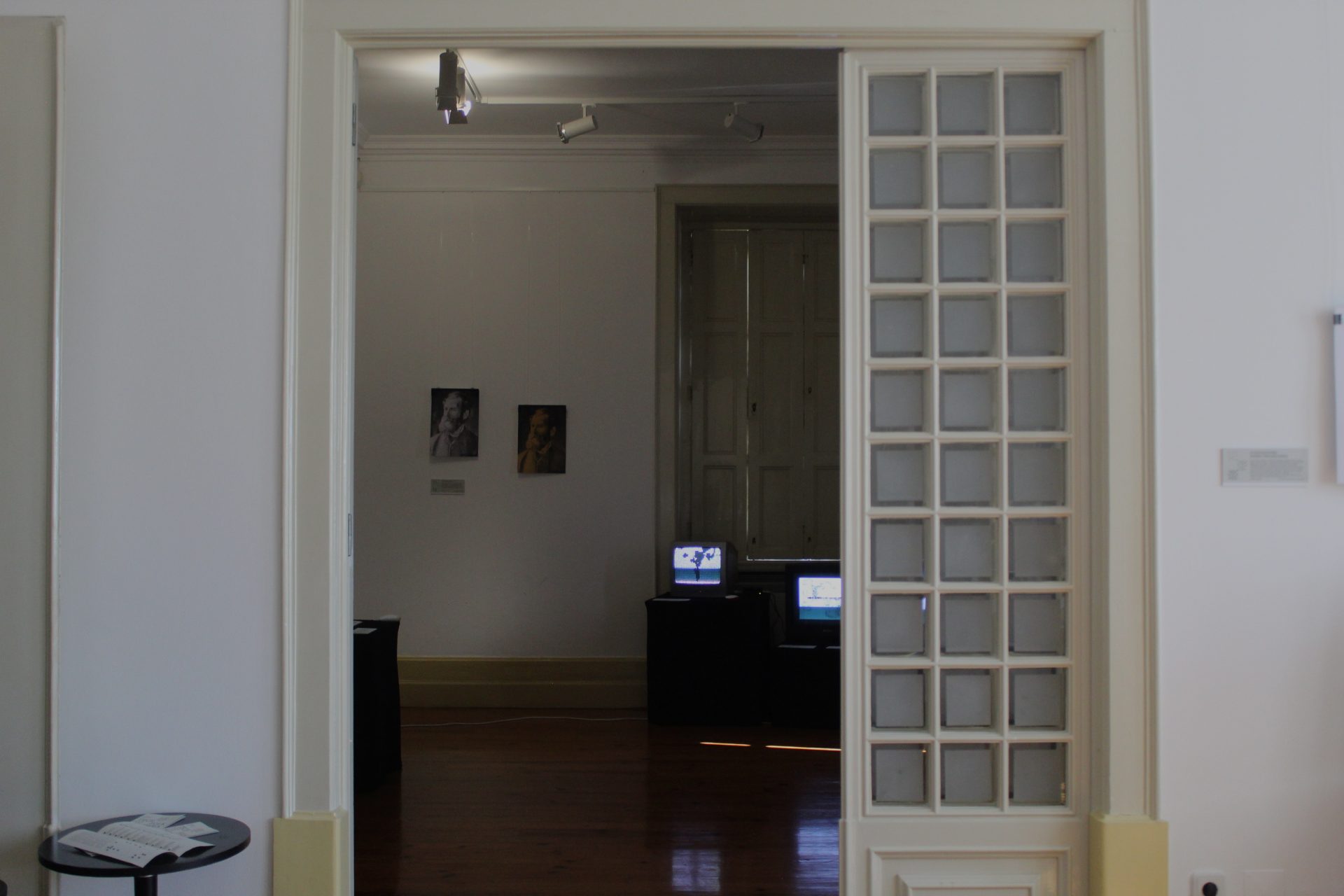
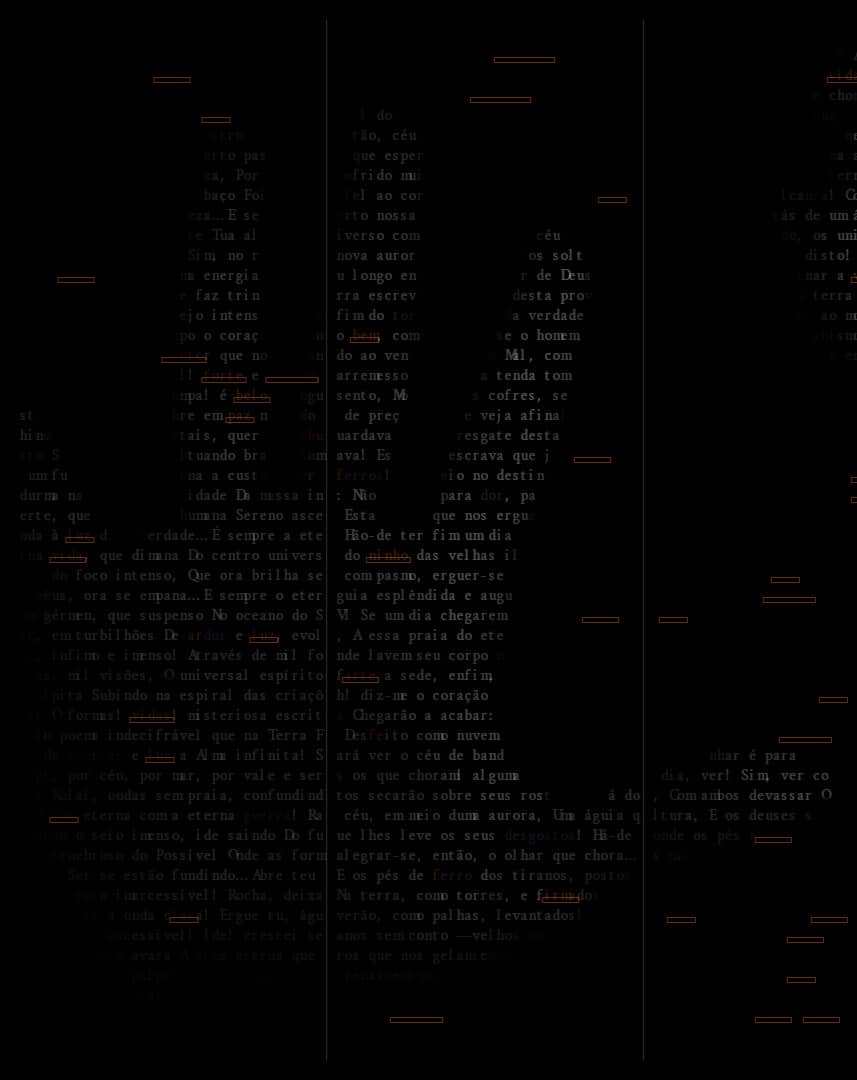
Developed for PCD@Coimbra 2026 and successfully exhibited as a live physical installation at a museum in Coimbra, this interactive system redefines how audiences consume static data (literature) by transforming them into active parameters of the algorithm:
- Museum-Grade Public Exhibition: Deployed successfully in a high-traffic cultural institution, proving the architecture’s stability, fault tolerance, and capacity to handle continuous, unscripted human interaction in a physical space.
- Global Participatory Network: Engineered an extended cloud architecture (MongoDB + ImgBB) that allows users worldwide to submit data, which is autonomously pulled and rendered by the local exhibition servers in real-time.
- Algorithmic Heritage (“Techfolk”): Successfully bridged ancestral storytelling with contemporary programming, proving the viability of using generative AI and algorithms for modern public exhibition spaces.
- Zero-Latency Processing: Achieved seamless rendering of thousands of dynamic text particles and real-time video processing through aggressive mathematical optimization.
Strategic Engineering: The Spatial Computing Hub
The architecture was built to handle heavy computational loads—processing live video feeds, semantic text analysis, and complex WebGL geometry simultaneously.
1. Semantic Engine & Natural Language Processing (NLP)
- Real-Time Sentiment Analysis: Built an algorithm that scans JSON databases of poetry to identify and isolate positive/negative emotional connotations, mapping them to specific visual behaviors.
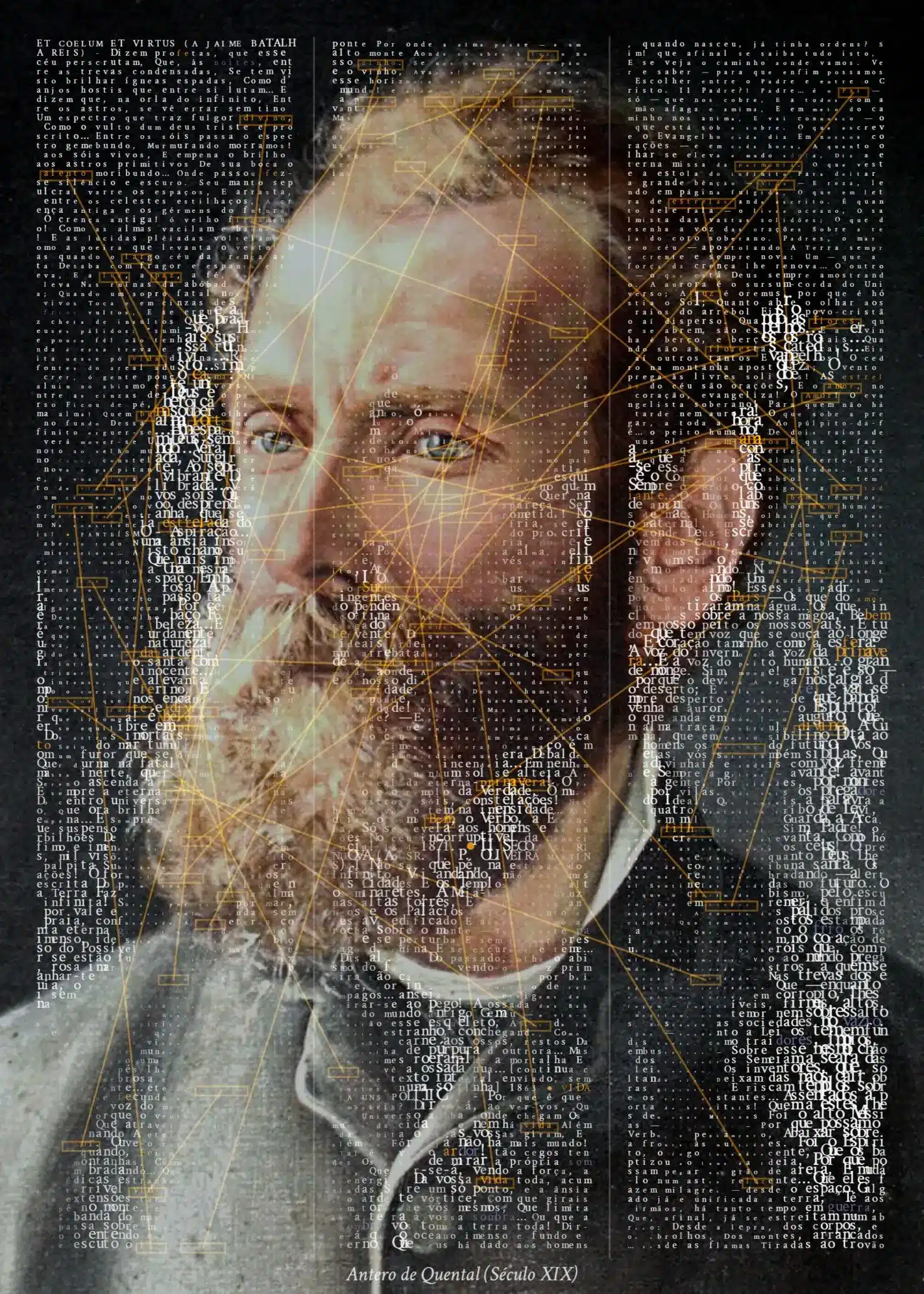
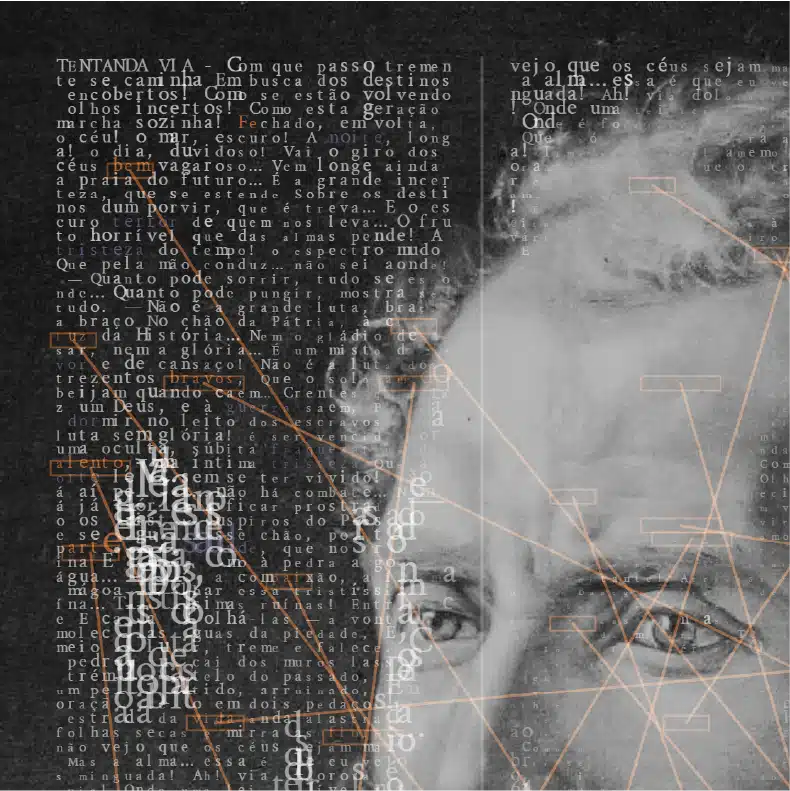
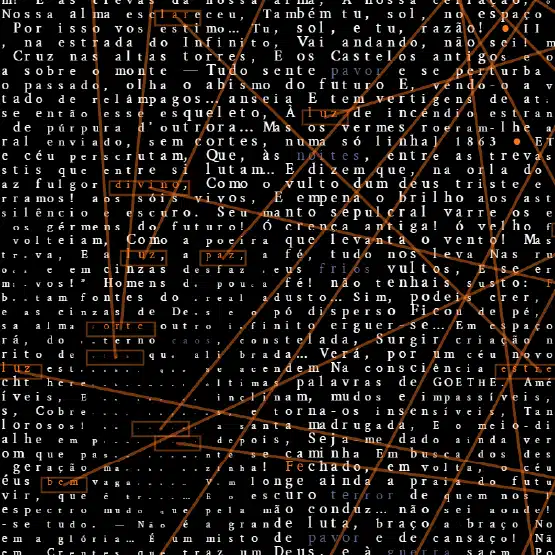
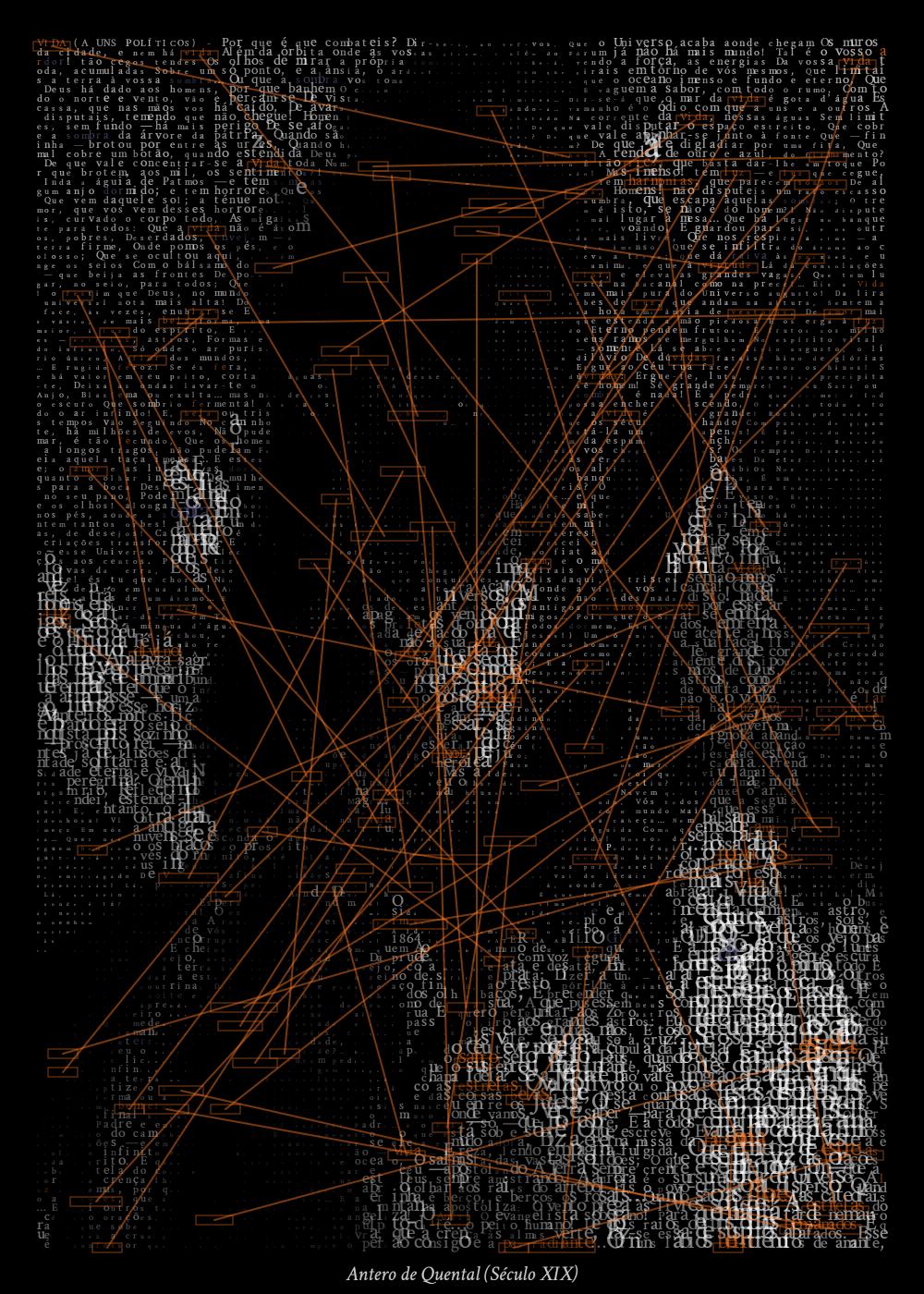
- Dynamic Node Connectivity: Engineered a connection algorithm that stores X/Y coordinates of semantic targets, calculating distances and drawing dynamic vector networks between related concepts on the fly.
2. Computer Vision & Edge Optimization
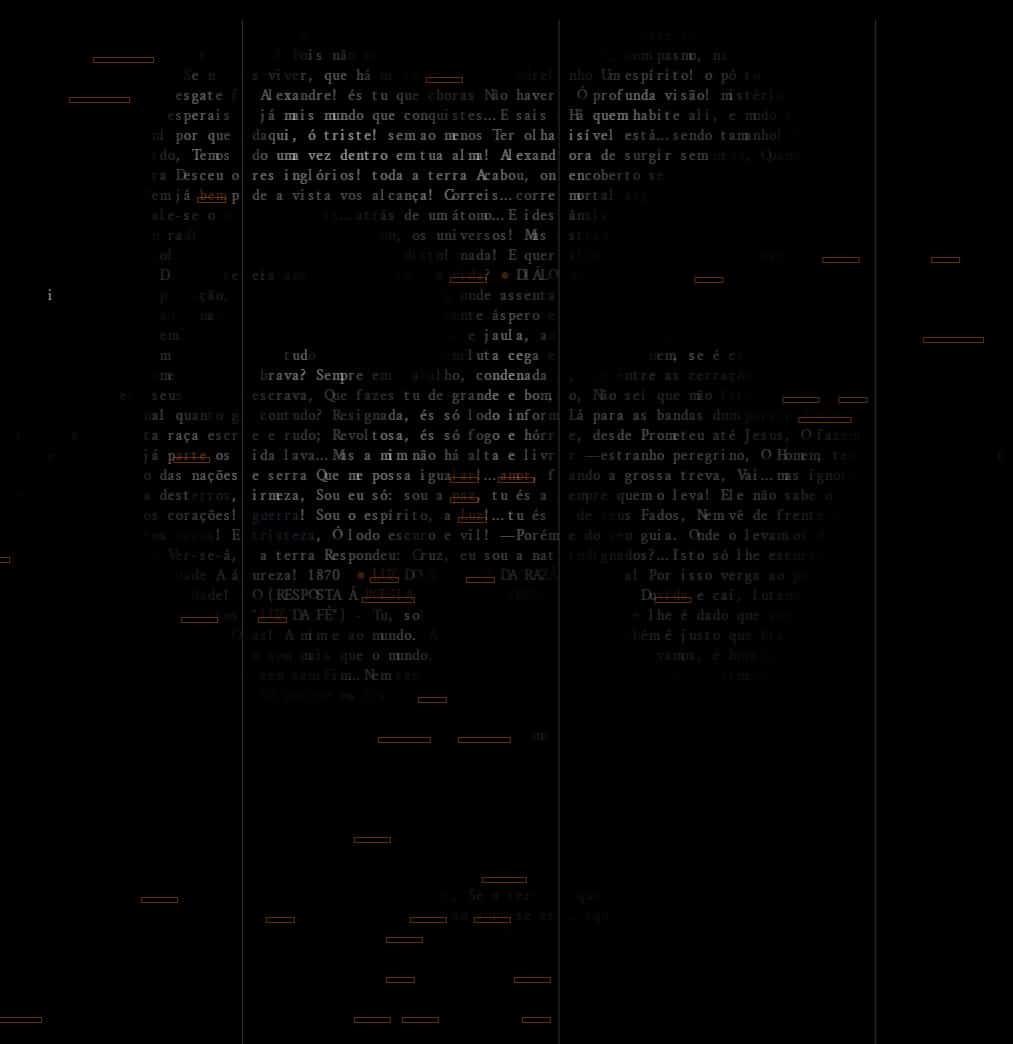
- Motion-Activated Logic: Deployed computer vision algorithms that calculate pixel brightness frame-by-frame. The system measures motion thresholds and dynamically renders connections only where physical human movement occurs in the museum space.
- Aggressive Resource Optimization: Solved severe browser bottleneck issues by downscaling webcam capture resolution (240×180) and implementing algorithmic frame-skipping (processing CV every 6 frames) while maintaining fluid typography rendering.
3. Pixel Mapping & Generative Math
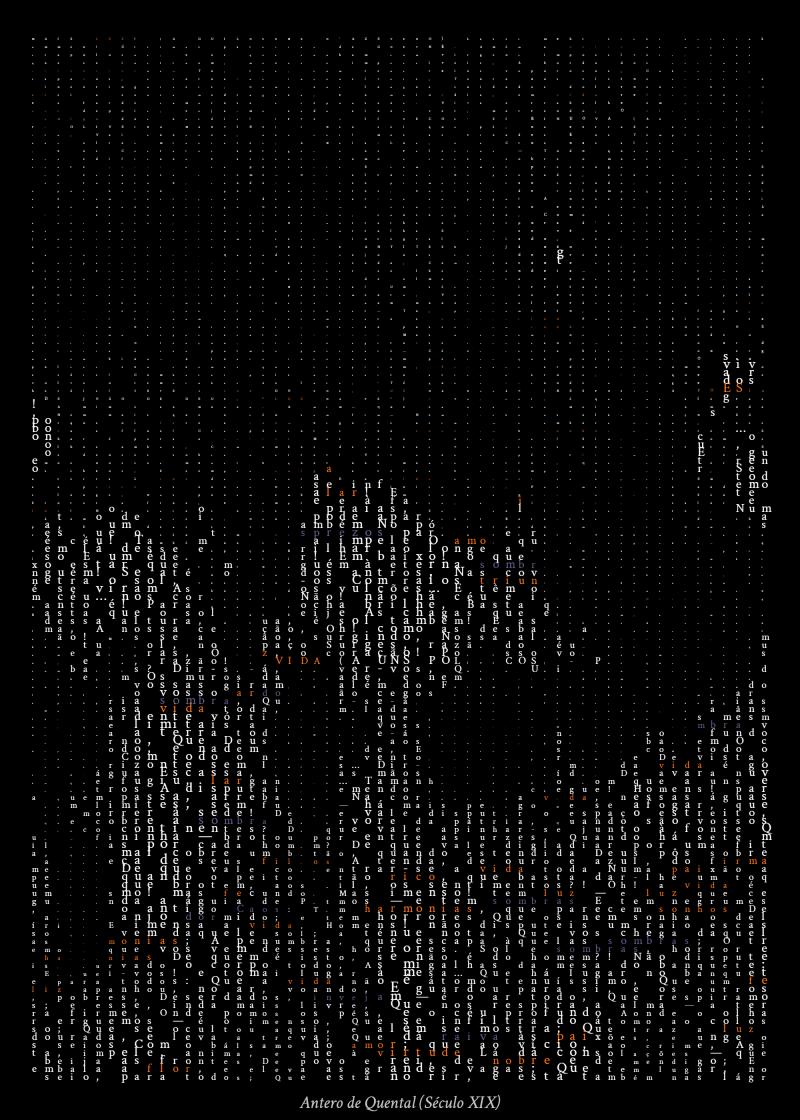
- Perlin Noise Typography: Utilized complex Perlin noise mathematical functions to govern organic text sizing, creating fluid, breath-like animations across the canvas.
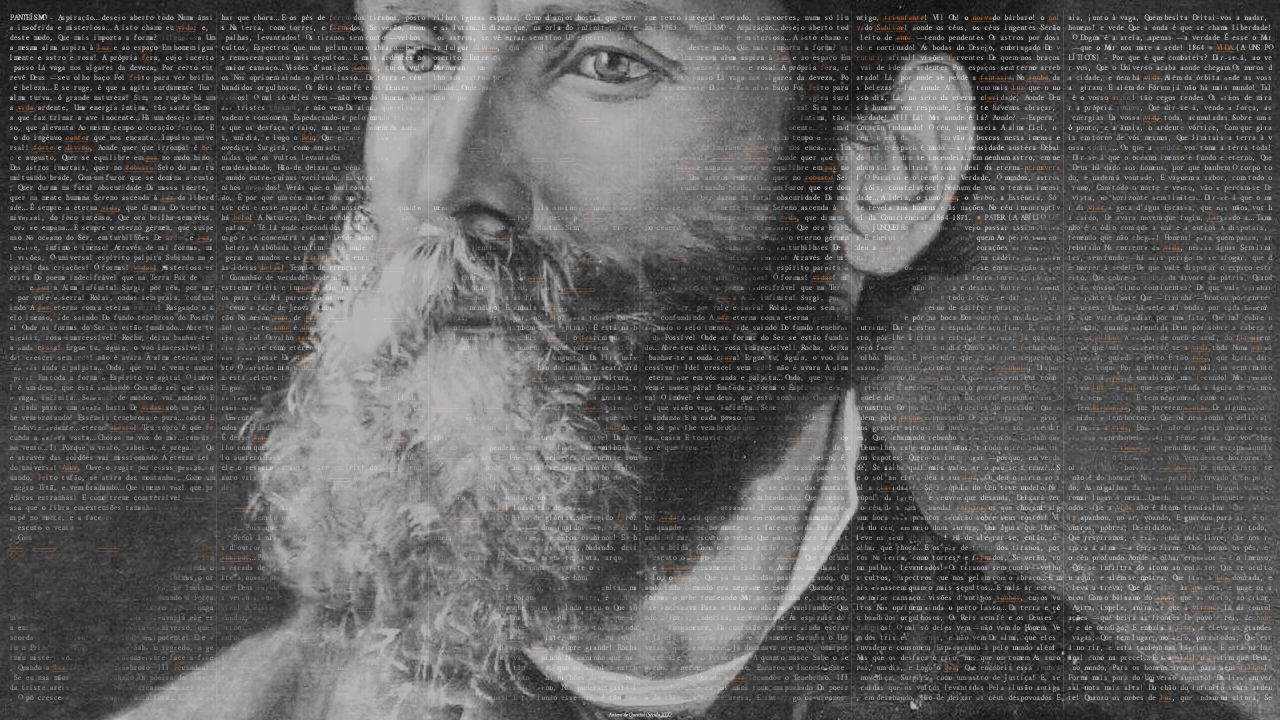
- Luminance-Based Opacity: Mapped live camera feeds to canvas coordinates, using live pixel brightness values to autonomously modulate text opacity and scale, effectively using the audience’s physical lighting as a UI controller.
Behavioral UX: Active Spatial Exploration
As a Product Strategist, I designed the system to manipulate human behavior. The installation requires physical engagement to function:
- Motion-Dependent Reading: Typography size reacts dynamically to spatial brightness and viewer movement. Museum attendees cannot passively read; they must physically move through the exhibition space to create readable “text zones.”
- Adaptive Environments: Implemented day/night detection algorithms that invert luminance relationships based on the physical lighting of the museum, ensuring flawless accessibility and immersion.
- WYSIWYG Poster Generation: Built a comprehensive control panel (Poster Mode) that allows museum curators to freeze the generative algorithm, tweak variables (density, speed, blends), and export 300 DPI B2-format PDFs instantly for physical printing.
Technical Stack (Creative Technology Standard)
Algorithmic Engine: JavaScript | p5.js | Processing | WebGL
Computer Vision: Real-Time Pixel Array Processing | Frame Differencing | Luminance Tracking
Cloud-to-Edge Infrastructure: MongoDB (Data) | ImgBB API (Assets) | Localhost Server Deployment
Export & Document Generation: jsPDF | High-Resolution Canvas Extraction
The Architect’s Perspective
This project demonstrates a critical capability in the modern tech landscape: the ability to merge the physical and digital worlds. By orchestrating hardware (cameras), backend data (MongoDB), mathematical algorithms (Perlin noise), and human psychology (forced physical interaction), I delivered a robust, fault-tolerant spatial computing application capable of running indefinitely in a live public museum environment.
Click here to test the installation
[STATUS: MUSEUM EXHIBITED] [ARCHITECTURE: CLOUD-TO-EDGE] [YEAR: 2026]